
How Much Is a Basic Funeral in Singapore?
When a death happens, one of the first questions families ask – often quietly, and sometimes with guilt – is how much is basic funeral service going to cost. It is a practical question, not a cold one. In Singapore, funeral expenses can vary quite a bit depending on religion, length of wake, venue, and the level of support you need, so it helps to understand what a basic funeral usually includes before making decisions under pressure.
A basic funeral is usually the simplest complete arrangement needed to care for the deceased with dignity and to help the family through the immediate legal, ceremonial, and logistical steps. It is not just a casket and a vehicle. In most cases, it also covers collection of the deceased, essential preparation, permits, setup for the wake or memorial, coordination of cremation or burial, and support from a funeral director.
How much is basic funeral service in Singapore?
In Singapore, a basic funeral commonly starts from the low thousands and can rise depending on the faith tradition and service requirements. For a simple direct funeral with minimal ceremony, families may spend less than a full wake-based package. For a more traditional funeral with a wake, tentage, ceremony items, transport, and manpower, the cost is usually higher.
As a general guide, basic funeral packages may begin around $1,000 to $3,000 for direct arrangements with very limited ceremonial elements. A simple wake-based funeral package often starts around $4,000 to $6,000 and may go upward from there. Religious funerals such as Buddhist, Taoist, Catholic, or Christian services can cost more if they require specific ritual items, prayer services, altars, monks, priests, pastors, or extended wake periods.
These are broad ranges, not fixed prices. The final amount depends on what is included, what is optional, and whether the package is truly comprehensive or only appears affordable at first glance.
What a basic funeral usually includes
The safest way to judge cost is to look at the actual scope of service. A proper basic funeral package should cover the essential work a family needs in the first one to three days, and sometimes longer if the wake is extended.
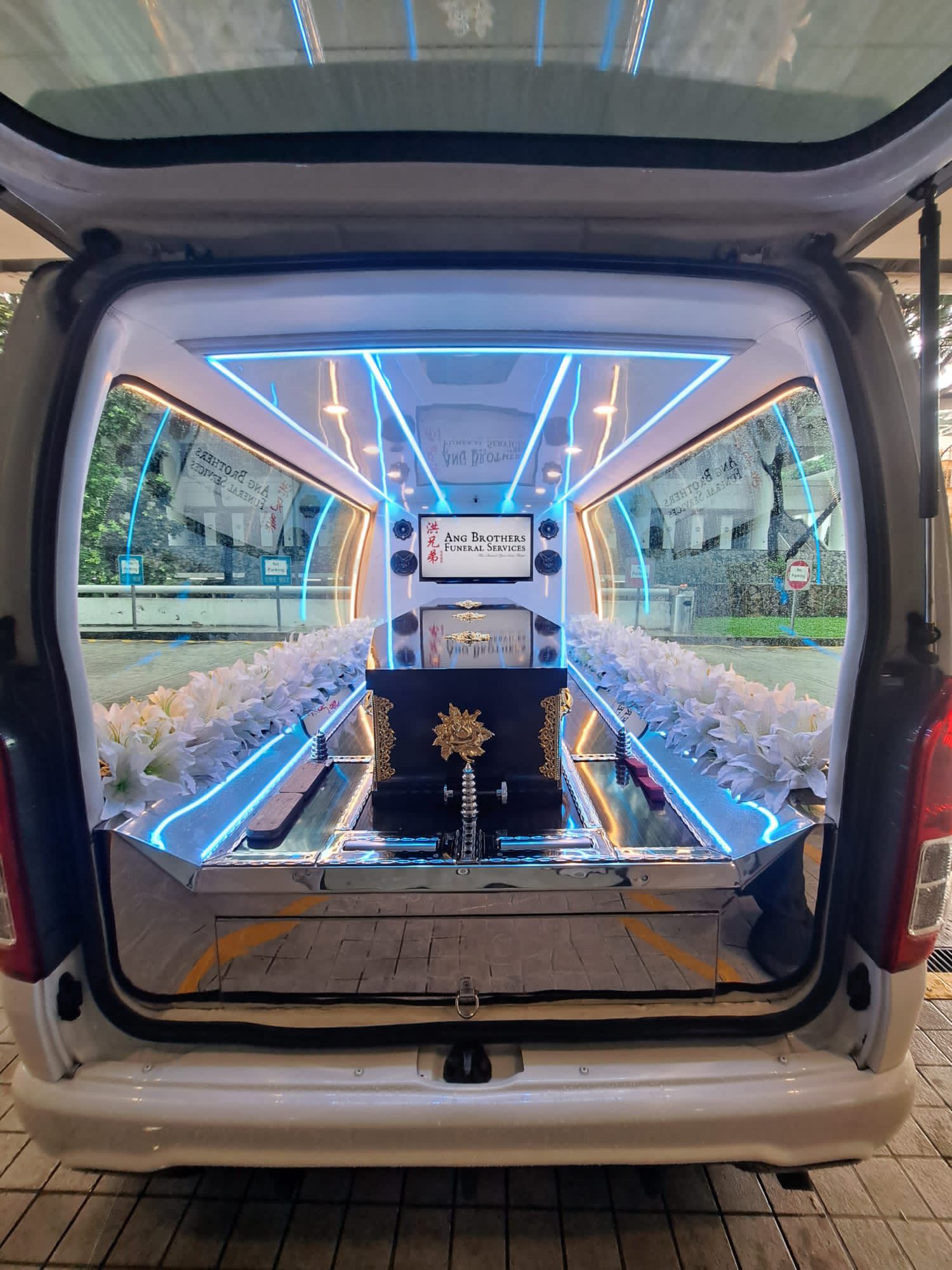
In many cases, the package includes 24-hour removal of the deceased from home or hospital, transportation to the funeral facility, basic body preparation or embalming where required, a casket, and the coordination needed for cremation or burial. It may also include the booking of a cremation slot, hearse service, and staff support on the funeral day.
If there is a wake, the package may also include tentage, tables and chairs, lighting, a photo wreath stand, guest register, incense or prayer items depending on religion, and setup at the void deck, funeral parlor, or other approved venue. Some providers also include obituary assistance, collection of ashes, and after-service cleanup.
This is why asking only how much is basic funeral care can be misleading. Two packages may look similar in price, but one may include permits, setup, staff attendance, and transport, while another may charge for those separately.
What makes the price go up or down
The biggest factor is the type of funeral. A direct cremation with no wake is usually the most affordable option because it keeps arrangements simple and short. Once a wake is added, costs rise because there are more logistics, more manpower, and more equipment involved.
The duration of the wake also matters. A one-day or two-day wake is usually less expensive than a three-day or five-day arrangement. Each additional day may involve extra venue fees, tentage rental, staff attendance, catering, and ritual supplies.
Religion and custom also affect price. A free-thinker or non-religious service may require fewer ceremonial items. A Buddhist or Taoist funeral may involve altar setup, monks or priests, paper offerings, ritual supplies, and tradition-specific coordination. Christian and Catholic funerals may include church service arrangements, hymn support, or clergy coordination. None of these are unnecessary costs. They are often meaningful parts of honoring a loved one properly.
The place of the wake can also change the budget. Holding the wake at a funeral parlor may differ in cost from using a void deck or private residence. Some locations involve booking fees, time restrictions, or added logistical requirements.
Finally, the casket selected, type of flowers, memorial printing, catering, and transportation for family members can all add to the total. These are not always part of a basic package, so it is worth asking what is included and what is optional.
Basic funeral vs direct funeral
Families often compare a basic funeral with a direct funeral, and the difference matters.
A direct funeral is the simplest form of arrangement. It usually involves collection of the deceased, essential care, documentation, a simple casket, transport, and direct cremation or burial without a formal wake. This option is often chosen when the family wants privacy, needs to keep costs low, or prefers a shorter process.
A basic funeral with a wake includes more structure for family and friends to gather, pay respects, and observe religious or personal rites. It offers more time for mourning and remembrance, but naturally comes with more operational cost.
Neither option is more respectful than the other. The right choice depends on the wishes of the deceased, family traditions, available budget, and how much ceremony feels appropriate.
Questions to ask before accepting a package
When comparing funeral pricing, families should ask for a clear breakdown in plain language. That can prevent confusion later, especially during an emotional time.
Ask whether the quoted price includes collection of the deceased, embalming if needed, permit processing, cremation booking, hearse, casket, setup materials, manpower, and final send-off coordination. It is also wise to ask what happens if the wake extends by another day, or if the family needs additional prayer items, flowers, or transport.
Another useful question is whether there are after-hours surcharges or hidden administrative fees. Transparent pricing matters because funeral planning often happens urgently, and families should not be left dealing with unexpected charges after the service has already begun.
A reliable funeral director should be able to explain the package calmly, identify what is essential, and separate genuine needs from optional upgrades.
Why the cheapest quote is not always the lowest final cost
It is natural to compare prices, especially when trying to manage family expenses. But the lowest starting quote does not always mean the lowest final bill.
Some low-cost packages cover only the bare minimum and leave out items that most families will end up needing anyway. Common exclusions can include extra transport, wake setup, religious articles, obituary support, photography, overtime staff, or collection of ashes. Once these are added back in, the initial savings may disappear.
What most families need is not the cheapest service on paper. They need a dignified arrangement that is honestly priced, professionally managed, and complete enough to reduce stress instead of creating more of it.
For that reason, many families prefer a provider that offers one point of coordination and clear package inclusions from the start. Ang Brothers Funeral Services, for example, is known for supporting families across different faiths with transparent arrangements and practical guidance on what is necessary for each service.
Planning ahead can make costs easier to manage
If you are arranging a funeral in advance for yourself or a loved one, the question of how much is basic funeral service becomes easier to answer because there is time to compare options carefully. Pre-planning allows families to discuss religion, venue, type of service, and budget without the pressure of immediate grief.
It also helps avoid rushed decisions. Families can decide whether a direct funeral is sufficient, whether a one-day wake feels right, and which ceremonial elements matter most. In many cases, this leads to better cost control and fewer unnecessary add-ons.
Even if you are planning after a recent loss, taking a few minutes to review inclusions can still make a real difference. A steady funeral director will guide you through what must be done now, what can wait, and where your choices will affect the final cost.
The cost of a basic funeral in Singapore depends on the kind of farewell you want to give, but dignity does not have to mean uncertainty. With clear pricing, thoughtful guidance, and support that covers both ceremony and logistics, families can make decisions with more peace of mind at a time when that matters most.